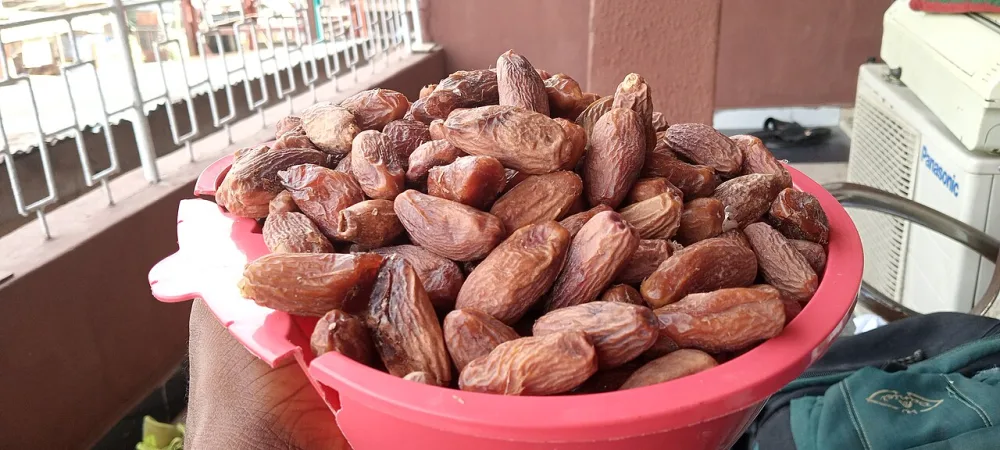
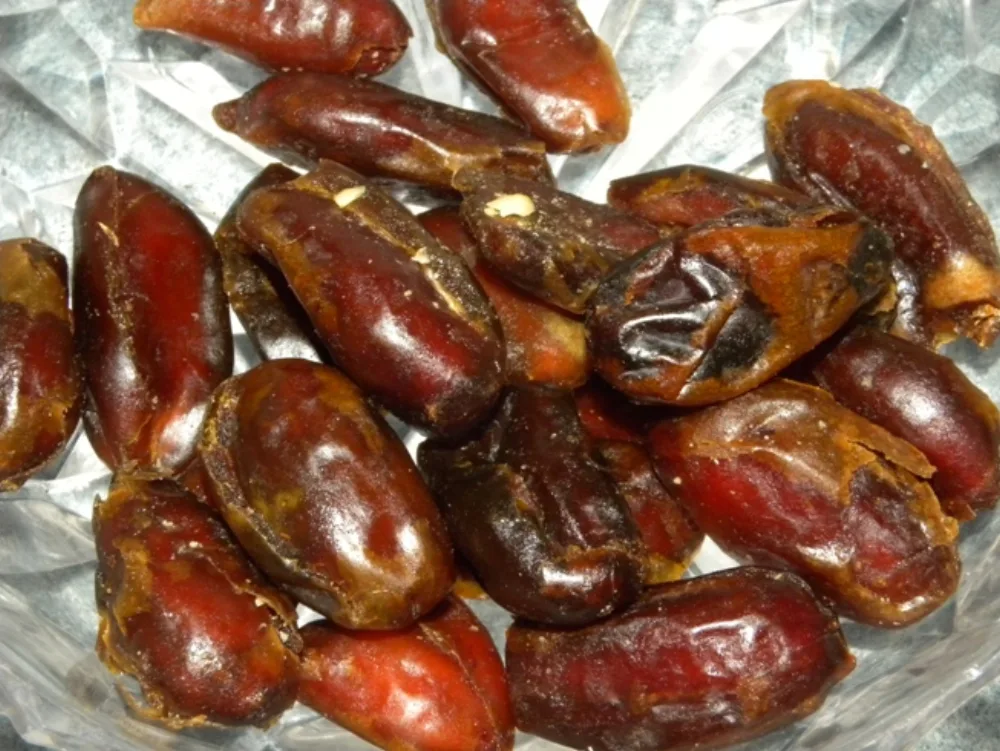
Two date shipments with the same variety name can differ greatly in quality. One is soft and uniform; the other is hard, uneven in size, and mixed with stems. For a B2B buyer whose shipments are worth millions of rupiah, this difference determines margin and end-customer satisfaction. The solution is not luck but a written quality specification and systematic incoming inspection. This article explains how to set date quality parameters and verify them before you accept the goods.
Why a Written Specification Is Essential
In supply-chain management, a company must choose a supplier that can meet quality requirements, and supply quality criteria must generally conform to the defined specification. Without a written spec, the phrase 'grade A dates' can mean different things to buyer and seller. A specification turns subjective expectations into objective, measurable parameters that can be fairly argued in a dispute.
USDA Grade Standards as an International Reference
Although Indonesia has its own commercial grade system (often marked A, AA, AAA, VVIP), the official standard widely referenced in international trade is the USDA United States Standards for Grades of Dates. This system scores dates on a 100-point scale based on color, size uniformity, freedom from defects, and character (texture). Here is a summary.
| USDA Grade | Designation | Minimum Score | Key Characteristics |
|---|---|---|---|
| U.S. Grade A | U.S. Fancy | ≥ 90 points | Good color, practically uniform size, practically free from defects, good character |
| U.S. Grade B | U.S. Choice | ≥ 80 points | Reasonably good color, reasonably uniform size, reasonably free from defects |
| U.S. Grade C | U.S. Standard | ≥ 70 points | Fairly good color, fairly uniform size, fairly free from defects |
For Grade A/B, not more than 15% by weight may be conspicuously larger or smaller than the average size in the container. This standard is useful as a shared language: when you write 'equivalent to U.S. Choice or better' in a contract, both sides have an objective reference.
Moisture Content: The Often-Forgotten Parameter
Moisture content is one of the most important parameters yet often left out by buyers. For dried fruit including dates, moisture affects texture, shelf life, and microbial safety. In B2B trade practice, a moisture range of around 15–20% is often considered the balance point between shelf life, texture, and production cost, and many export buyers expect this range unless specified otherwise. More important than the number alone is consistency between batches: dates with stable moisture from shipment to shipment are far easier to manage. That is why careful buyers increasingly request a third-party laboratory certificate with each shipment.
A Note on Moist vs Dry Varieties
Note that moist (rutab) varieties such as Mazafati and Ruthob are naturally much higher in moisture and require cold-chain handling, so their specifications differ from dry dates like Deglet Noor. Applying one moisture target to all varieties is a common mistake; specifications must be tailored per type.
Building a Quality Specification (Spec Sheet)
A good spec sheet covers several parameter categories. Here is a framework you can adapt.
| Category | Parameter | Example Setting |
|---|---|---|
| Identity | Variety, origin, commercial grade | Sukari Al-Qassim, Grade A |
| Physical | Size/count per kg, uniformity | Equivalent to U.S. Fancy, ≤15% off-size |
| Moisture | Target moisture (per variety) | Per variety character, consistent between batches |
| Cleanliness | Foreign material (stems, loose pits, sand) | Free of visible foreign material |
| Defects | Tolerance for bruises, scuffs, damage | Practically free from defects (Grade A) |
| Packaging | Net weight, packaging type, labeling | 10 kg carton, Indonesian label |
| Documents | COA, halal certificate accompanying | COA per shipment |
Incoming Inspection: QC Steps Before Acceptance
A specification is only useful if verified. Quality control is the process of ensuring a product meets standards before acceptance. For dates, practical incoming inspection includes the following steps.
- Take random samples from several cartons, not just one, to represent the whole shipment.
- Inspect visually: color, size uniformity, presence of stems/loose pits, signs of mold or excessive sugar crystallization.
- Check texture: softness and moisture matching the variety's character.
- Weigh net weight of several packs to confirm it matches the declaration.
- Cross-check against the COA: do the document parameters match the physical goods.
- Record and document findings with photos as a basis for any return.
For large volumes, many buyers apply tiered sampling: inspecting a set proportion of the shipment and setting an acceptance threshold. Inspection should happen immediately on arrival so any return right (if in the contract) still applies.
Linking Specifications to the Contract
A quality specification is strongest when it is an annex to the supply contract. That way, if goods fail the spec, you have a clear basis to request replacement. As an importer with more than 20 varieties and a clear grade system, we routinely agree written specifications with horeca partners and distributors, then ship to the agreed parameters. To request a spec sheet for a specific variety or discuss quality standards, contact us on WhatsApp +62 823-4350-8579, and also read our guide on B2B date certification documents to make your verification more complete.
Ultimately, a quality specification and incoming inspection are a small investment that protects a high-value transaction. A little time to write clear parameters and check goods on arrival can prevent far larger losses from off-spec product. B2B buyers who apply both consistently build a more reliable supply chain over time.
Note: the grade and moisture figures here reference trade standards and practice as an educational guide; final specifications are always tailored per variety and agreement.